Naples, 1102 to today
Pignatelli: A Historical Essay
Residence: Naples, Rome, Madrid, Palermo
- The Family and Its Three LinesOrigins, branches and titles
- The Dynastic TraditionMarriage, fiefs and power
- Notes on Neapolitan NobilityTitles, from the Lombards to the Republic
Origins, branches and titles
The Family and Its Three Lines
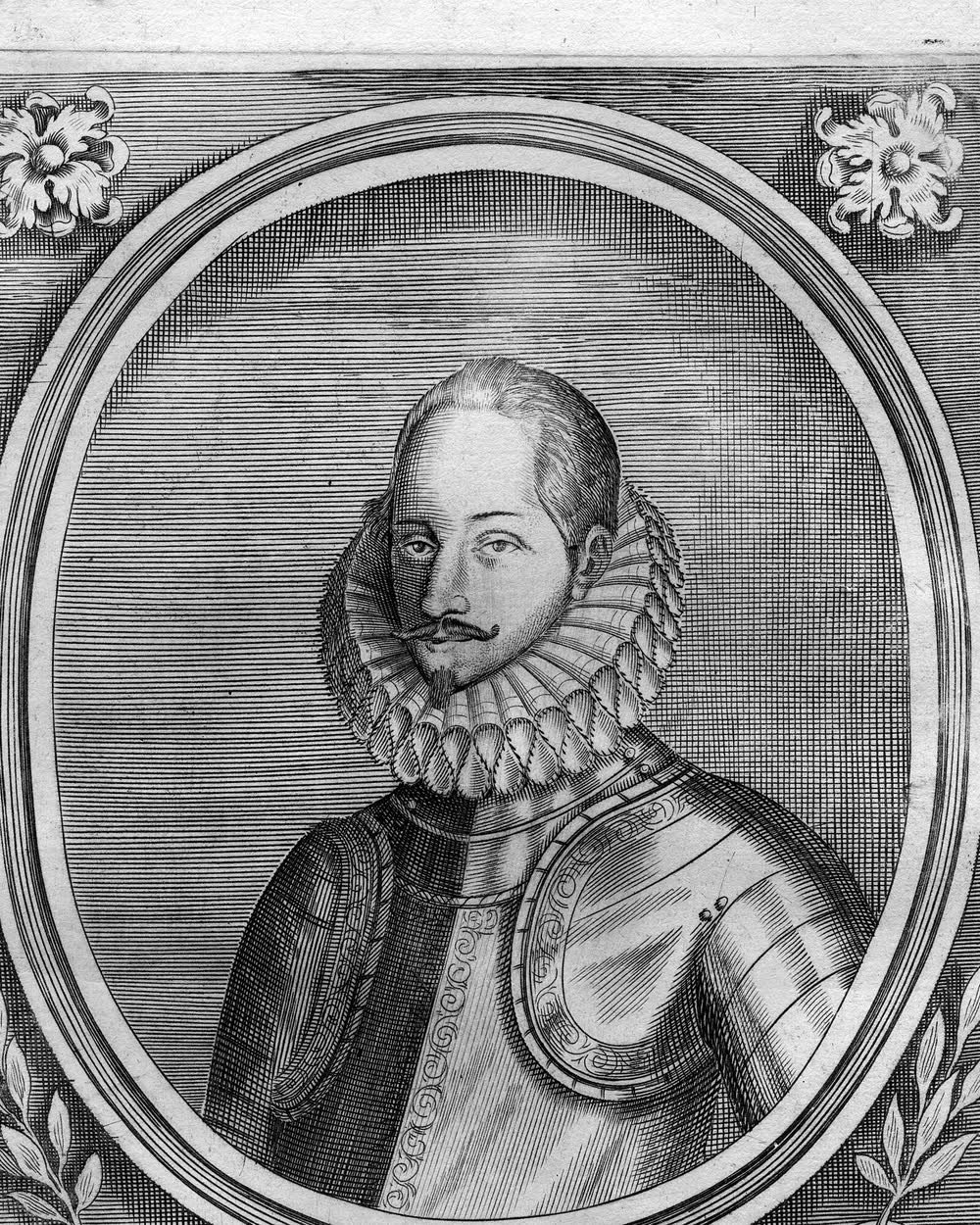
Historical and illustrious family of southern Italy, recognized by many authors as descending from the Lombard Dukes of Benevento, which proven line starts with Lucio Pignatelli, Constable of Naples in 1102. To explain Coat-of-Arms and Name many authors refer that a famous Landolfo under the service of King Roger of Hauteville of the Norman’s Dynasty, during the assault and the Sack of the Imperial Palace in Constantinople, he came out holding on his hands three Silver Pignates and from then was assumed the Coat-of-Arms.
A recent document found in the Archives of Monteroduni line stated that in 1094 two Pignatellis “orti a nobile sanguine” supplied over 1500 warriors to “certamen” in the Holy land. This story will confirm that is most likely that the “Droit de Pillage” was very common at that time, thus the logic of the silver pignates. Other Historians claim that a famous Gisulfo leading a fleet on behalf of the King Roger of Hauteville against the Byzantines in Negroponte, won the naval battle by launching pignates in fire.
The Family held numerous fiefdoms: Seigneur of Caserta in 1269, Patrician of Naples at the Seggi of Nido e Capuana. Enjoyed Nobility Rank in Rome, Venice, Sicily, Spain and Mexico. The family joined the Knights of Malta in 1420 with Giovanni, Commendatore of Monopoli and Pietro Prior of Messina. The family held important positions in the Church Hierarchy and on Civil Service. The family received the Toson d’Or in the branches of Monteleone and Terranova and Strongoli. Grandee of Spain in the Lines of Monteleone e Terranova, Belmonte, Strongoli, Fuentes.
This very Illustrious Family divided in three main Lines: From RICCARDO in 1250 descended TOMMASO, Governatore d’Atri (1431) and in the dawn of the XV Century three main Lines were established by their sons STEFANO (branches of Marques of Casalnuovo, Princes of Monteroduni, Dukes of Montecalvo) CARLO (Counts and Dukes of Monteleone, Marques of Caronia, Princes of Castelvetrano and through the last Heiress of Fernando Cortez Marchioness of Valle Oaxaca and Countess of Priego) PALAMEDE (Lords of Cerchiara, Princes of Noja, Princes of Holy Roman Empire, and through marriages Dukes of Terranova, Princes of Holy Roman Empire with the Branches of Belmonte (1723); Monteleone and Terranova, Strongoli, Fuentes e Cerchiara (1648) The first-born line descending from CARLO (1421-1476) extinguished with Geronima (1599-1667), Princess of Holy Roman Empire, V Duchess of Monteleone, Countess of Borrello, Vice-Queen of Aragona in 1655; daughter of Ettore III, IV Duca di Monteleone (1572-1622), Viceroy of Catalogna and Caterina Caracciolo Countess of S. Angelo dei Lombardi.
This Line ended in the Branch of Marchesi di Cerchiara and Principi di Noja, with the marriage of Geronima with Fabrizio Pignatelli, V Marchese of Cerchiara, III Principe of Noja, who inherited from her the Dukedom of Monteleone (title held since 1527), the Earldom of Borrello (title held since 1520) and the Baronia of Mesiano e Rosario (titles held since 1501) and the Earldom of S. Angelo di Lombardi via Caracciolo family (title held since 1426).
Giacomo Pignatelli (? – 1539) son of the third-born brother PALAMEDE started the Line of Cerchiara and Noja.
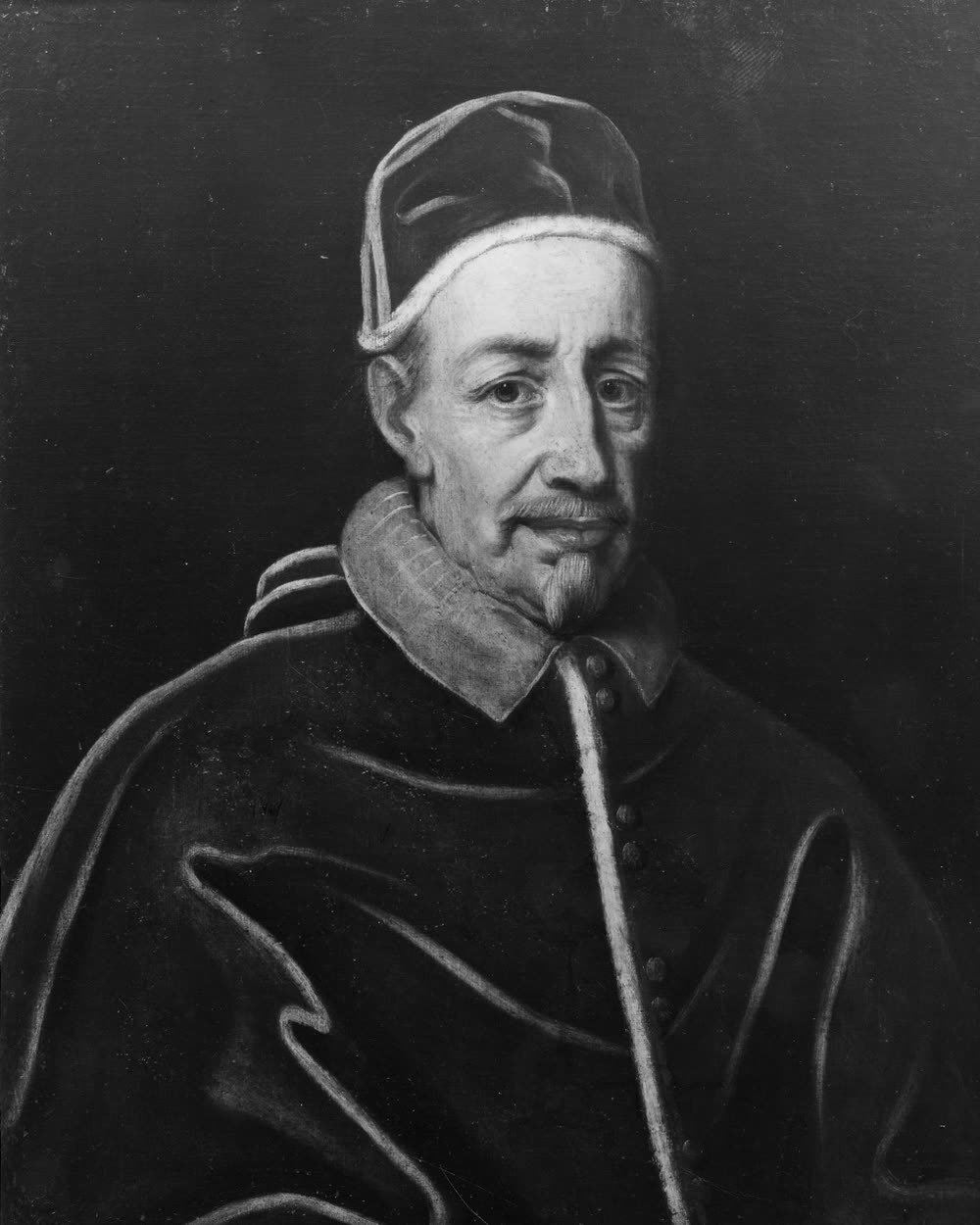
A very illustrious descendant of Giacomo was the Pontiff Innocenzo XII (1691-1700), his secular name was Antonio Pignatelli, son of Francesco dei Marchesi di Cerchiara, Marchese di Spinazzola (1576), Principe di Minervino in 1629, inheritance and succession of the Carafa family, from his wife Porzia (marr. 1605), daughter of Fabrizio Carafa Duke of Andria.
The title of Marquis of Cerchiara was granted in 1556 to Fabrizio I (? – 1567), son of Jacopo (Giacomo); Viceroy of Calabria, I Marquis di Cerchiara, II Signore di Noja.
The title of Prince of the Noja “State” (Basilicata/Lucania) was granted in 1600 to Fabrizio, III Marchese di Cerchiara.
The first line of the Branch of Marchesi of Cerchiara and Principi di Noja took also the name and the Coat-of-Arms of the family Aragona Cortes, after the marriage attested in 1639 by the Notary P. Graffeo in Palermo.
In the contract, was established that all descendants of Ettore Pignatelli, Marquis del Vaglio with Giovanna Tagliavia Aragona Cortes, will carry the full Tagliavia Aragona Pignatelli Cortes name.
With this marriage the following fiefs and titles were inherited: Marquis of Avola (title held since 1542); Prince of Castelvetrano (title held since 1564); Duke of Terranova (title held since 1561); Count of Borghetto (title held since 1565); the title Prince of the Holy Roman Empire was granted in 1648 (with the right to all descendants m/f) to the father of Giovanna: Diego Tagliavia Aragona Cortes Duke of Terranova, Prince of Castelvetrano etc.
The above mentioned Giovanna, from her mother Stefania Carrillo Cortes, niece of Ferdinando Cortes, “Conquistador del Mexico” inherited also the titles of Marquis of Valle Oaxaca and Count of Priego (Mexico).
The name Aragona, originated from Orlando Signore of Avola (1363) son of King Federico II.
Tagliavia was a Sicilian family originated by Bartolomeo, Signore of Castelvetrano (1209) and took the full name of Tagliavia Aragona with the marriage of Giovanvincenzo Tagliavia, Count of Castelvetrano (1522) with Beatrice Aragona niece of Federico III King of Sicily and Aragona.
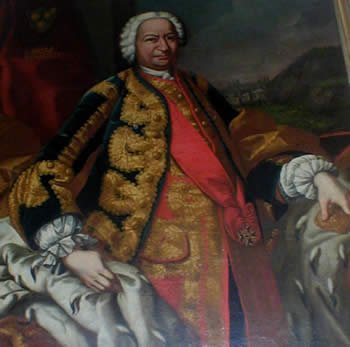
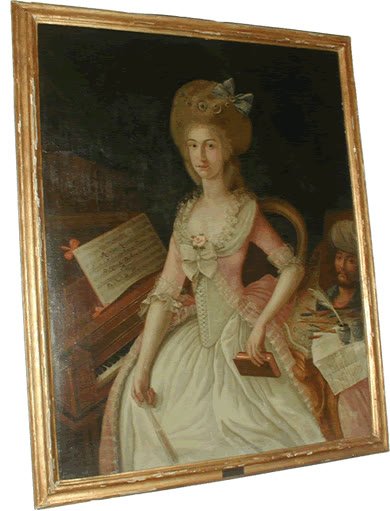
In the XVII century with the marriage of Nicolo’ Pignatelli (b. in Cerchiara the 23rd of August 1648, bur. in Naples the 8th of March 1730): Viceroy of Sardinia and Sicily, and second brother of Fabrizio III, V Marchese di Cerchiara e III Principe di Noja, with her grand-niece Giovanna II Aragona Pignatelli Cortes (1677-1723) daughter of Andrea Fabrizio (?-1677) Duke of Monteleone, all titles and fiefs were inherited by the first-born of the four brothers:
1- Diego, Prince of H.R.E., Marquis of Valle Oaxaca later Duke of Terranova and Monteleone.
2- Ferdinando, Prince of H.R.E., later Prince of Strongoli
3- Antonio, Prince of H.R.E., later Count of Fuentes
4- Fabrizio Prince of H.R.E. later Line of Cerchiara.
From the last born PALAMEDE were generated the second and third Line of Monteleone:
A} Princes of Strongoli (title held since 1620): following the marriage of Ferdinando Pignatelli, Prince of the Holy Roman Empire, Admiral of the Kingdom of Naples, Grandee of Spain, Knight of Toson d’Or (1689-1767) with Lucrezia Pignatelli (1704-1760), IV Princess of Strongoli, VI Countess of Melissa and Duchess of Tolve, all titles and fiefs inherited from the family Campitelli and Moles were received through marriages.
B} The Line Counts of Fuentes (Title held since 1508) inheritance and succession of the family Moncaio-Blanes y Centelles. This branch had the honour to generate Saint Joseph Pignatelli (1737-1811), relevant representative of the Jesuit Order.
C} The Branch, descendant from Domenico Pignatelli Y de Vaez (1630 c.a.-1700 c.a.) Marquis of S. Vincenzo, Capitano Generale of Estremadura, Galicia and Navarra, married Anna de Aymerich and generated the following lines:
D} The Line Pignatelli y Americh, Princes of Belmonte (1619), Dukes of Acerenza (1593), Marquis of Galatone (1562) Counts of Copertino (1557) inheritance from Ravaschieri and Pinelli family.
Paolina Francesca Pignatelli Y Americh-Pinelli-Ravaschieri Squarciafico (1824-1911) (Female Succession), direct descendant of the above mentioned Domenico, she held the titles of XXI Countess of Copertino, XI Marquise of Galatone, IX Duchess of Acerenza, VII Princess of Belmonte etc.. Grandee of Spain on the Acerenza fief, daughter of Gennaro (1777-1829), she inherited all fiefs, estates and titles of brothers who died earlier; she married in 1839 Angelo V Granito, IV Marquis of Castellabate and Baron of Rocca Cilento, Gentiluomo di Camera of H.M. the King of the Two Sicilies and Sovraintendente Generale of the Royal Archives.
E} and the Line Granito-Pignatelli di Belmonte originated.
The descendants of STEFANO, second-born of the famous above mentioned three brothers (XV century), generated the Line of Marquis of Casalnuovo (1630), the Line of the Dukes of Montecalvo (1611) and the actual first LINE of Princes of Monteroduni (1702) The line of Casalnuovo ended in mid of last century.
The Colonel of The House of Pignatelli today is: Giovanni Pignatelli della Leonessa (1920-), VIII Prince of Monteroduni, IV Prince of Sepino, Count of Tuhegl, Duke of Castoria, Baron del Gallo, Patrizio Napolitano son of the VII Prince of Monteroduni Luigi (1885-1930) and Maria dei Marchesi Ajossa (1889-1969).
Following the Court Sentence of the Tribunal of Naples in 1859 over the two centuries old dispute, between the Casalnuovo line and the Monteleone-Terranova line, concerning the title of Count of Borrello and Duke of Monteleone, titles granted to the Pignatelli branch by Ferdinand V of Aragon with male primogeniture succession; the above mentioned titles should have been used by the first male line, while the Pignatelli Tagliavia Aragona Cortes Line has always used the Monteleone, Borrello titles through female succession according to the Spanish feudal law of succession in force during the Spanish Vice-Kingdom of Naples:
Giovanna II daughter of Andrea Fabrizio last Duke of Monteleone (died in 1677) who married Nicolo’ Pignatelli Prince of Noja and Marquis of Cerchiara and before with Geronima (1599-1667) who married in 1615 Fabrizio V Marquis of Cerchiara and III Prince of Noja (see above and Genealogy Tables and Pignatelli Cortes History)
Consequently the Monteroduni line, actual first line, after the extinction of Casalnuovo may hold the title of Count of Casalnuovo, Count of Borrello, Duke of Monteleone.
Marriage, fiefs and power
The Dynastic Tradition
The Pignatelli Family traced their ancestry back to Agilmondo, a King of Lombards (VIII-IX) Century, of the Dukedom and later Principality of Benevento. It was and it is a proud and illustrious family. It was one of the seven great families of the Realm (of Naples). It was also very common to marry with other prominent families, (including the other Pignatelli Branches), as a way to keep and inherit the assets, the fortunes and to hold power and wealth.
Pignatelli married into Carafa, Sanseverino, Caracciolo, d’Aquino, del Balzo, Spinelli, Campitelli, Ravaschieri etc… etc. and other prominent Papal families as Orsini, Caetani, Colonna, della Rovere, Conti. But in many ways the Neapolitan families as Carafa and Pignatelli (Papal families) were unlike other roman papal families (the power and wealth was within Rome and Lazio region): the base of power and the source of their wealth were the feudal holdings in the Kingdom of Naples and Sicily. Their policy tended to marry the heiress of Principalities and fiefdoms of Southern Italy.
We outline some interesting examples:
Niccolo Pignatelli V Prince of Noja married in 1679 Giovanna Pignatelli, Duchess of Monteleone, Marq of Valle Oaxaca etc.. heiress of the fortunes Tagliavia – Cortes.(Sicily and Mexico). Ettore IV Duc of Monteleone married in 1592 Caterina Caracciolo heiress of the Earldom of S. Angelo de’ Lombardi. (Fief between Salerno and Bari)
Ferdinando Pignatelli Knight of the Toson d’Or, Prince of the Holy Roman Empire, Duke of Tolve, Grandee of Spain, married in 1719 Lucrezia Pignatelli III Princess of Strongoli (fief in The Calabria region) (Title inherited by marriage with the Campitelli Family by Geronimo I Prince of Strongoli in early 1600).
At the peak of their power the Pignatelli were owners of 179 fiefs, 18 Counties or/Earldom, 22 Marquisates, 16 Dukedoms and 14 Principalities. Today several branches are still existing. In the Genealogy section of this website, we can see the complex marriage policy implemented by the family.
Titles, from the Lombards to the Republic
Notes on Neapolitan Nobility
There were many States in Historical Italy, each with a separate nobility.
They differed in structure, wealth and power.
After the unification of Italy previous Nobility laws and customs were maintained.
Historically, since the introduction of the Feudal System, Titles were granted by Emperors, Kings (German, Austrian, French, Spanish) and Popes, in addition Powerful Lords (Milan Dukes, Tuscany, Venice, Parma…) also conceded Titles To local Aristocracy.
The hereditary Titles of Principe, Duca, Marchese, Conte, Barone were granted by Patent Letter by Emperors, Popes and Kings out of the Feudal System of the Holy Roman Empire.
The Status of Patrizio is related to the City of origin.
The Title of Don means Noble Rank and The Consulta Araldica(Italian authority after the unification, which supervised the Titles recognition and concession) in 1929 granted this historical custom (Don and Donna) only to those Feudal Families(mainly Naples and Sicily) of Princes, Dukes, the Roman Nobility and some Lombard Families.
When the Italian Republic was established in 1946, all Titles were abolished, but the Noble Families recognized before 1928, were authorized to incorporate the title on the surname.
Naples (Dukedom then Realm)
All Conquerors of Southern Italy adopted the Feudal System, Land possession was divided in Fiefs since the Lombard invasion in 590-839 AD (the first Dukedom was established in Benevento in 758 AD).
With the Normans invasion (Tancredi and Roger d’Hauteville 1060-1194) a further implementation was undertaken, but mainly from the Lombard feudal structure than the Frankish.
The Hohenstaufen with Conrad and Frederick (1194-1266) introduced the Female Succession.
The conquest of the Realm by Charles I of Anjou (1266), in order to avoid collaterals succession established the concept of legitimate descendants.
Under the Angevins (1262-1441) and Aragonese(1442-1495) ruling not changements were made.
With the Emperor Charles V (Spanish Ruling 1503) the system was modified as the last descendant died, remote and collateral lines must succeed male and/or female.
During the Reign of Philip II of Spain (1595) and Charles VI of Austria(1720) was introduced the Male succession in spite of Female with equal right.
The titles of Princes and Dukes were granted outside the Royal Family already under the Angevins and Aragonese ruling (Queen Jeanne I 1343 and Alfonso the Magnanimous 1442): Prince of Taranto (1373) to Giacomo del Balzo;
Duke of Andria(1343) to Francesco del Balzo;
Prince of Salerno (1442) to Antonello Sanseverino….
Under the Spanish Viceroyalty and ruling (1504-1707) titles were distributed lavishly.
With the arrival of The Bourbons (1740-1799 and the restoration 1805-1861) the practice of a husband to adopt the title of the woman was officially legitimate. The titles of Prince in the Royal Family were allowed only to primogeniture of Males.
During the Napoleon Ruling (1799-1815) the Feudalism was officially abolished by Joseph Bonaparte (1806), but all titles granted were confirmed by Ferdinand IV of Bourbon, King of the Two Sicilies.
Next chapter
The History of Naples