Eight lives, 1572 to 1853
Famous Members
A pope, a cardinal, viceroys, a general and a revolutionary: eight members of the Pignatelli family whose lives ran through the history of Naples, Sicily and Spain.
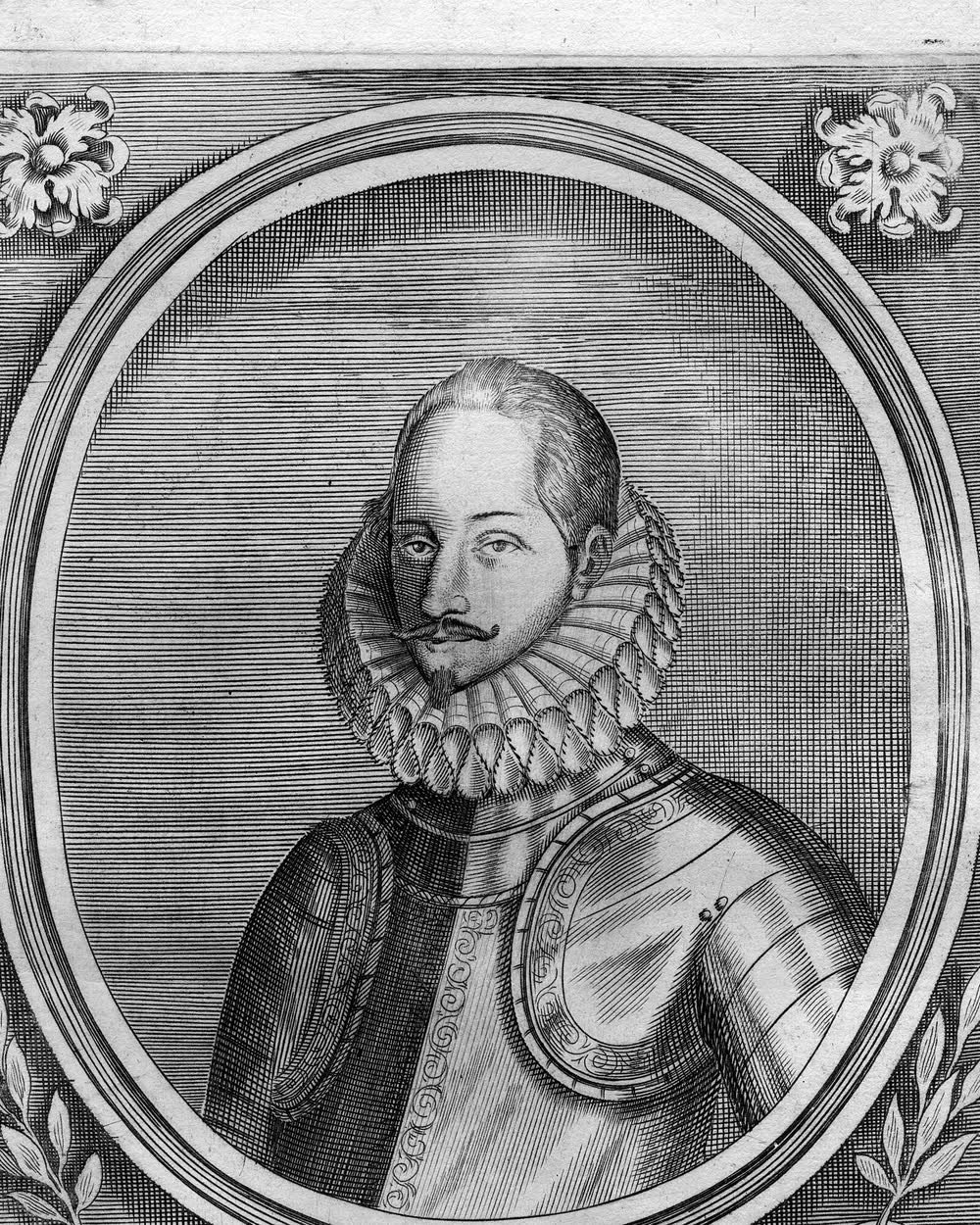
Ettore III Pignatelli
1572 to 1622 · IV Duke of Monteleone, V Count of Borrello
Capitano Generale of Catalogna appointed by Philip III Habsburg of Spain, in 1609 in Valencia was a major player in driving out of Spain the Moors. Maggiordomo of the Infanta Donna Anna daughter of Philip III, in 1615 escorted the Infanta in France, for the marriage with Louis XIII Bourbon King of France. While his stay in France made a consistent contribution in the reconciliation of the Duc of Nevers Charles de Gonzague and Maria de’ Medici Queen Mother with the King.
When he returned in Spain was appointed in 1616 member of the Supreme Council of the King Philip III of Spain. He died in 1622 under the Reign of Philip IV Habsburg of Spain. He married Caterina Caracciolo Countess of S. Angelo dei Lombardi with fiefs in Nusco and Cerignola.
He had four sons:
a) Geronima, heiress of the dukedom of Monteleone, married Fabrizio Pignatelli Marques of Cerchiara.
b) Angelina Nun in the monastery of S. Andrea in Naples.
c) Camillo Count of Borrello died young
d) Anna heiress of the earldom of S. Angelo and Countess of S. Angelo de’ Lombardi, married Francesco Caraffa Duke of Nocera.
Pope Innocent XII
1615 to 1700 · Antonio Pignatelli
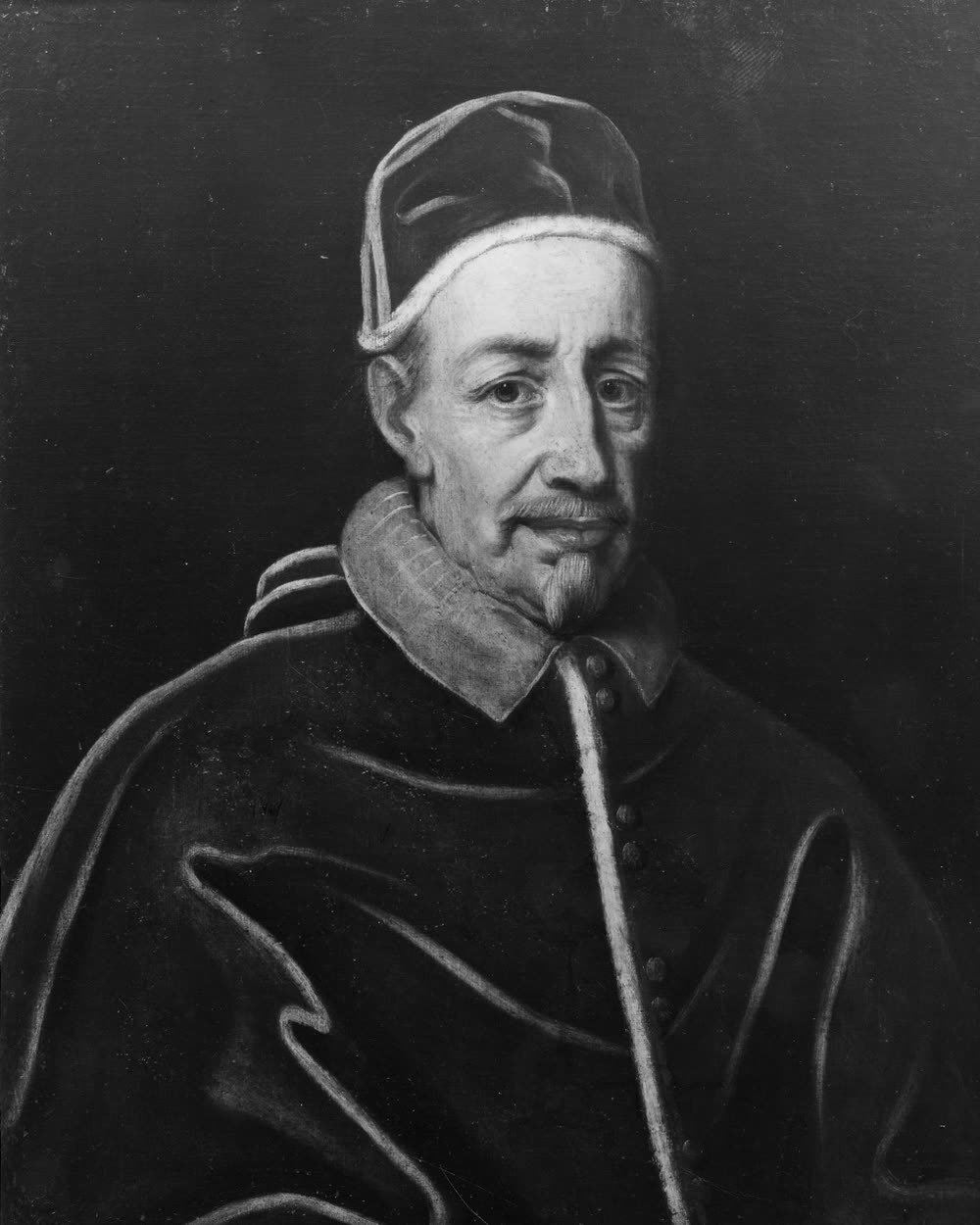
(ANTONIO PIGNATELLI)
Born at Spinazzolo near Naples, 13 March 1615, from Francesco Pignatelli, II Marchese di Spinazzola and Porzia Carafa Princess of Minervinio daughter of Fabrizio Carafa Duc of Andria and Maria Carafa of the Princes of Stigliano; died at Rome, 27 September, 1700. He entered the Roman Curia at the age of twenty and was successively made vice-legate at Urbino, inquisitor in Malta, and Governor of Perugia. Under Innocent X he became nuncio in Tuscany, and Alexander VII sent him as nuncio to Poland, where he regulated the disturbed ecclesiastical affairs and united the Armenians with Rome. In 1668 he became nuncio at Vienna. Innocent XI created him Cardinal-Priest of San Pancrazio fuori le mura and Bishop of Faenza on 1 September, 1682, then Archbishop of Naples in 1687.
After the death of Alexander VIII the cardinals entered the conclave at Rome on 11 February, 1691, but neither the French nor the Spanish-Hapsburg faction among the cardinals could carry its candidate.
A compromise resulted in the election of Cardinal Pignatelli on 12 July, 1691.
In his Bull “Romanum decet Pontificem” (22 June, 1692), which was subscribed and sworn to by the cardinals, he decreed that in the future no pope should be permitted to bestow the cardinalate on more than one of his kinsmen.
Towards the poor, whom he called his nephews, he was extremely charitable; he turned part of the Lateran into a hospital for the needy, erected numerous charitable and educational institutions, and completed the large court-house “Curia Innocenziana”, which now serves as the Italian House of Commons (Camera dei Deputati).
In 1693 he induced King Louis XIV of France to repeal the “Declaration of the French Clergy”, which had been adopted in 1682. The bishops who had taken part in the “Declaration” sent a written recantation to Rome, whereupon the pope sent his Bull of confirmation to those bishops from whom it had been withheld.
In 1696 he repeated his predecessor’s condemnation of Jansenism and in his Brief “Cum alias” (12 March, 1699) he condemned twenty-three semi-Quietistic propositions contained in Fénelon’s “Maximes”.
Towards the end of his pontificate his relations with Emperor Leopold I became somewhat strained, owing especially to Count Martinitz, the imperial ambassador at Rome, who still insisted on the “right of asylum”, which had been abolished by Innocent XI.
It was greatly due to the arrogance of Martinitz that Innocent XII advised King Charles II of Spain to make a Frenchman, the Duke of Anjou, his testamentary successor, an act which led to the “War of the Spanish Succession”.
Nicolo II Pignatelli
1648 to 1730 · VIII Duke of Monteleone, Viceroy of Sardinia and Sicily
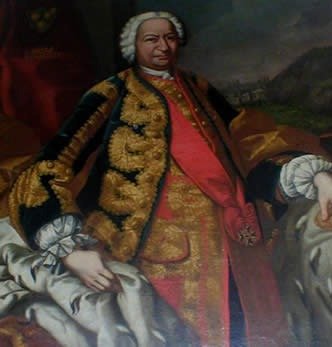
Nicolo II Pignatelli (1648-1730) VII Marquis of Valle Oaxaca, V Prince of Noja, VIII Duke of Monteleone. Grandee of Spain, Knight of the Toson d’Or, Prince of Holy Roman Empire. Governor of the Naples “Galere”, Capitano Generale and Viceroy of Sardinia under the reign of Charles II of Spain, Personal Advisor of the King Charles II of Spain; State Counsellor of King Philip V of Spain, appointed under his reign Capitano generale and Viceroy of Sicily. Later appointed also Grand Connestable and Great Admiral of the Kingdom of Naples. He married in 1679 Giovanna II Pignatelli Tagliavia Aragona Cortes, Duchess of Monteleone, Princess of Holy Roman Empire.
Giovanna II Aragona Pignatelli Cortes
1677 to 1723 · Duchess of Monteleone

Giovanna II Aragona Pignatelli Cortes (1677-1723), daughter di Andrea Fabrizio (?-1677) Duca di Monteleone and wife (her Grand Oncle)of Nicolo’ Pignatelli (b. in Cerchiara in 1648 and buried in Napoli in 1730): Viceroy of Sardegna and Sicilia, and second brother of Fabrizio III, V Marchese di Cerchiara e III Principe di Noja.
Cardinal Domenico Pignatelli di Belmonte
1730 to 1806 · Archbishop of Palermo and Monreale
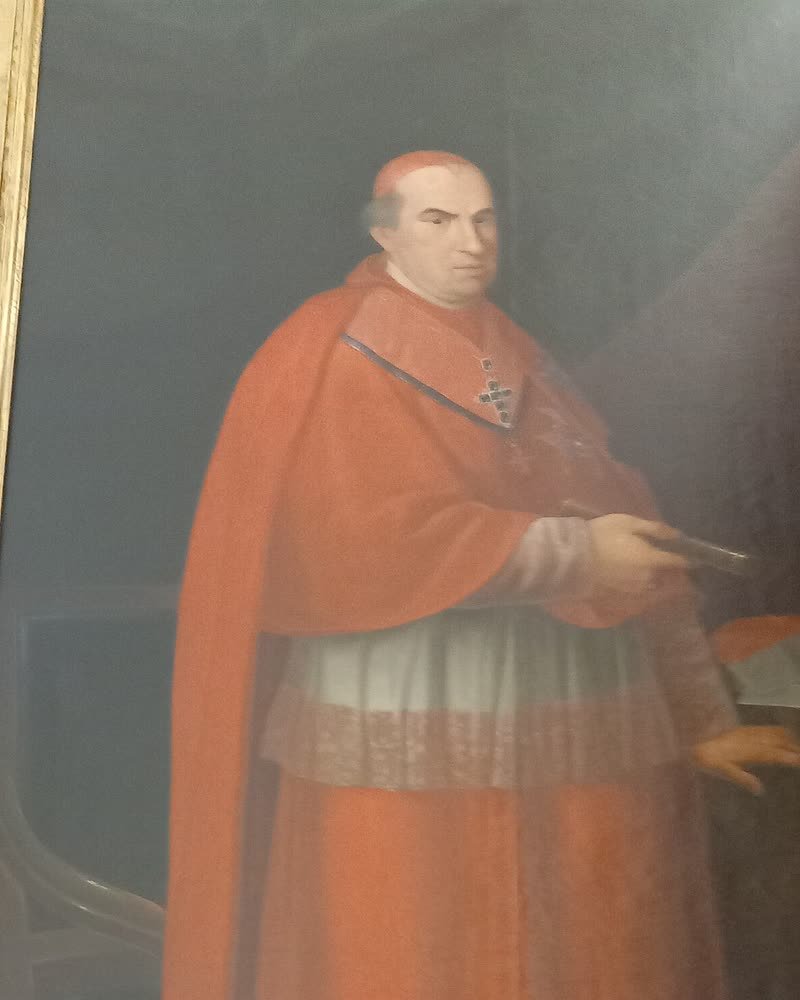
Born in Naples in 1730, son of Domenico Pignatelli y Americh (1685 – 1771) II Marquis of San Vincenzo and Anna Pinelli Ravaschiero IV Princess of Belmonte, VI Duchess of Acerenza, Grandee of Spain (?-1779).
He was appointed by the Pope Pius VII, Archbishop of Palermo and Monreale in 1802, in the same year he took also the Presidency of the Kingdom of Sicily during the short reign of Ferdinand IV of Bourbon (II Restoration); he died in Palermo in 1803.
Ettore V Pignatelli Aragona Cortes
1742 to 1800 · XI Duke of Monteleone
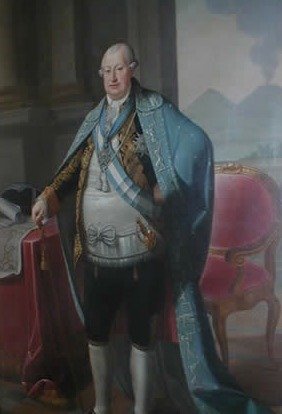
Ettore V Pignatelli Aragona Cortes (1742-1800) XI Duke of Monteleone, Prince of Castelvetrano, VII Duke of Bellosguardo, Marquis of Valle Oaxaca, son of Fabrizio X Duke of Monteleone and Costanza Medici d’Ottajano He married Giulia Piccolomini Princess of Valle and Majda.
Diego Pignatelli Aragona Cortes
1774 to 1818 · Chamberlain of Giuseppe Bonaparte, King of Naples
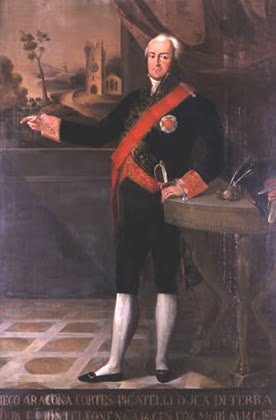
He participated actively to the 1799 Neapolitan Revolution and was elected representative in the parliament of the Neapolitan Republic. Upon the arrival of Cardinal Ruffo he was sentenced to death, later the Pope granted clemency. He was exiled in Milan, he joined in 1806 Giuseppe Bonaparte and was sent Ambassador in France to praise Napoleon for His victories.
He was then appointed Chamberlain of Giuseppe Bonaparte King of Naples.
Francesco Pignatelli, Principe di Strongoli
1775 to 1853 · General and historian
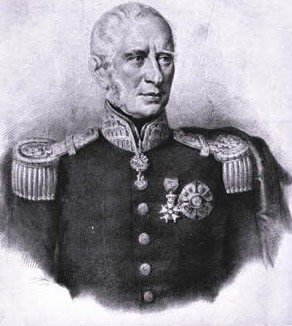
Francesco Pignatelli Principe di Strongoli (born in Naples in 1775, died in 1853), Military General and prominent Neapolitan Historian, he joined the Austrian Army with Lobkowitz, later he joined Championnet in the French-Neapolitan Campaign. After the Neapolitan Revolution in 1799, where his brothers Ferdinando and Mario were sentenced to death, he was exiled in France.
He moved later to the Kingdom of Naples, when Bonaparte and Murat were Kings of Naples. He participated in the Spain, Germany and Austria military Campaign.
In 1821 after the Bourbon restoration, he spent most of his time writing his memories, a relevant essay was “Le Memorie del Regno di Napoli dal 1790 al 1815”.
In 1848, he actively participated at the Liberal movements and once again he spoke loudly in favour and in defense of the liberal Institution and freedom, ideals and dreams of his entire life.
Back to
Lineage